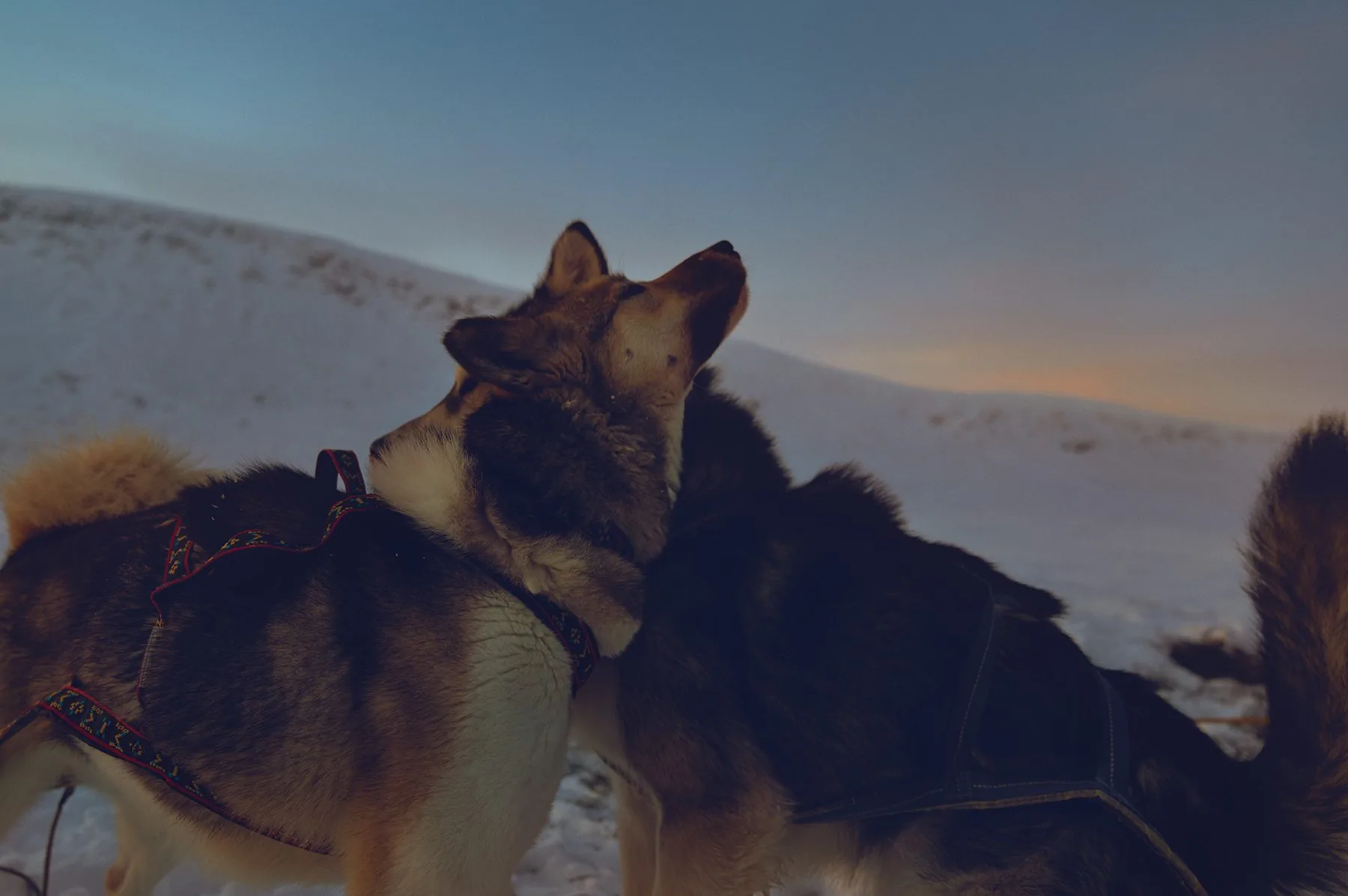
The most original and wildest sled dog breeds — Alaskan Malamute and Greenland Dog — are the breeds that most closely resemble the wolf in behaviour and character.
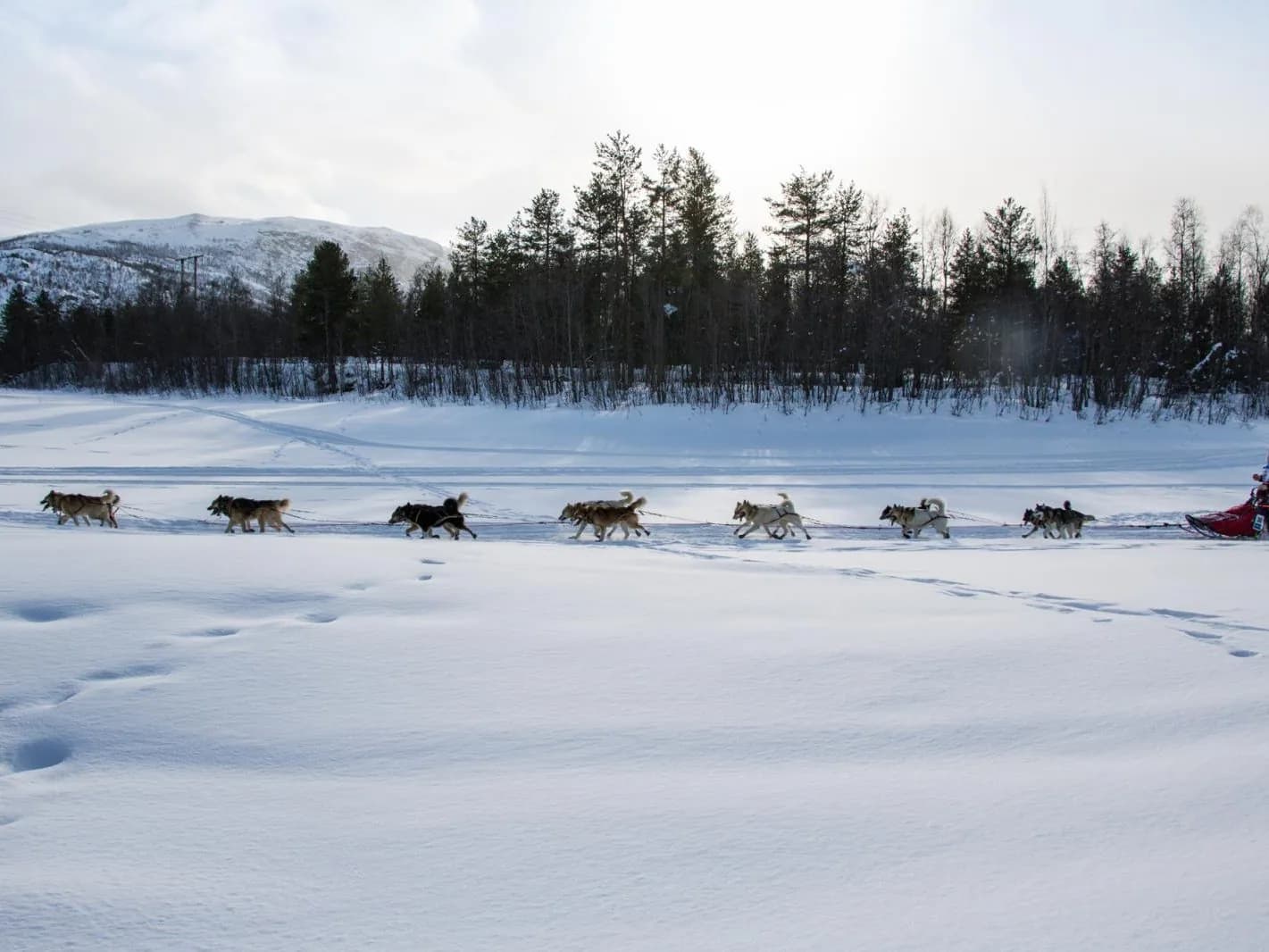
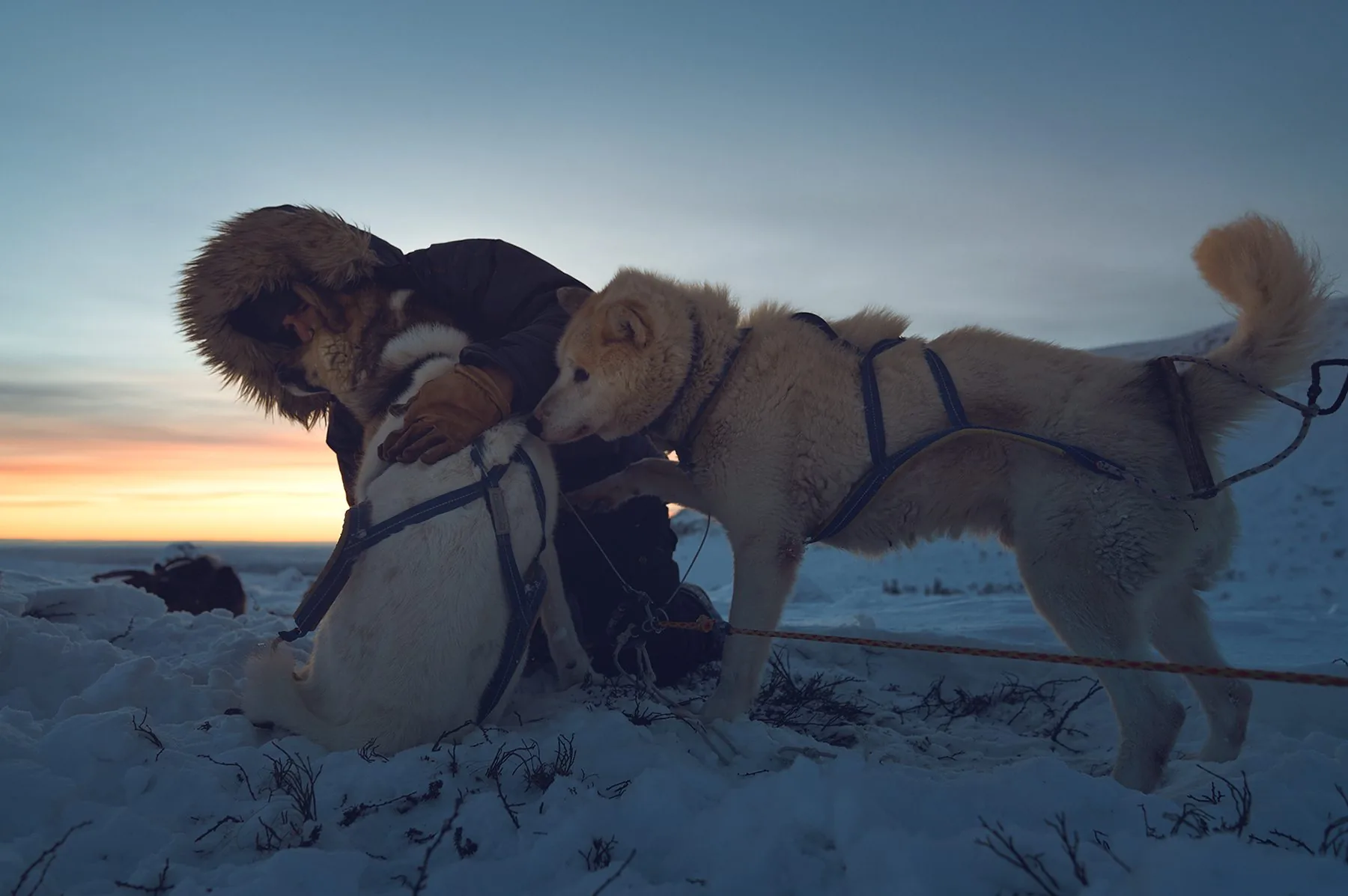
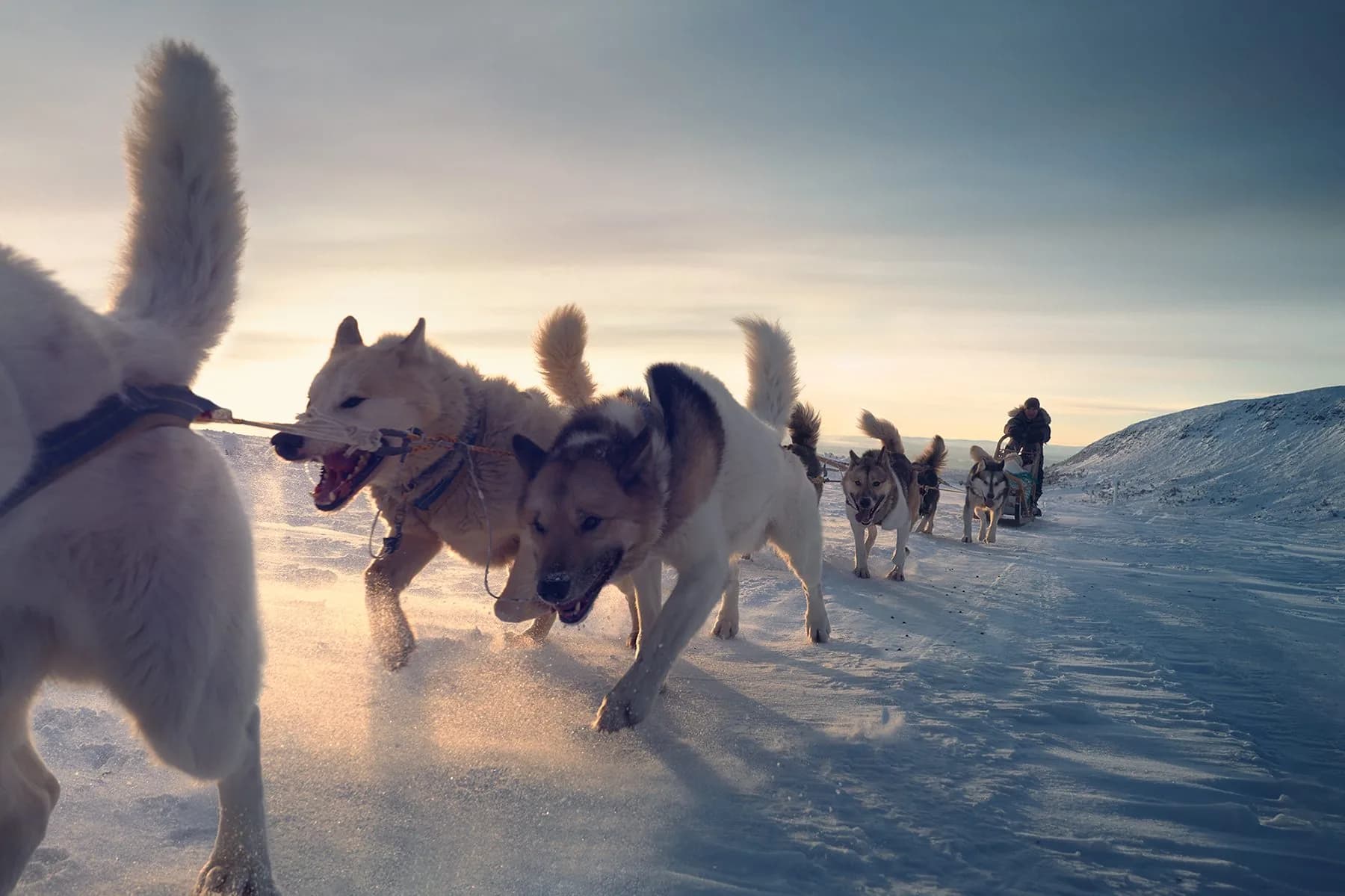
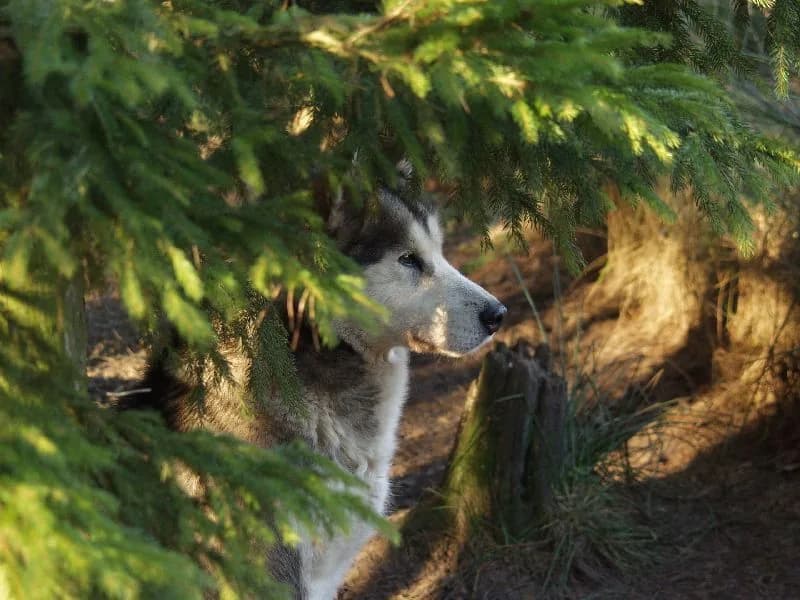
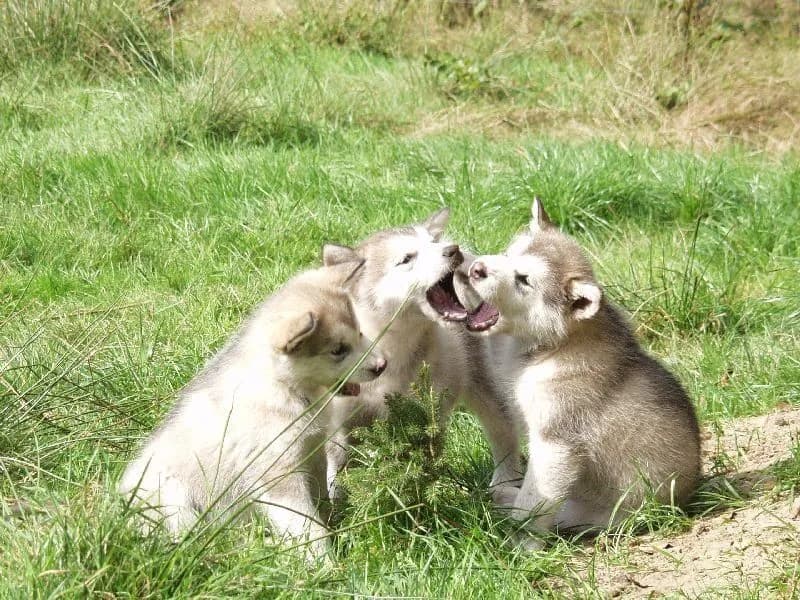
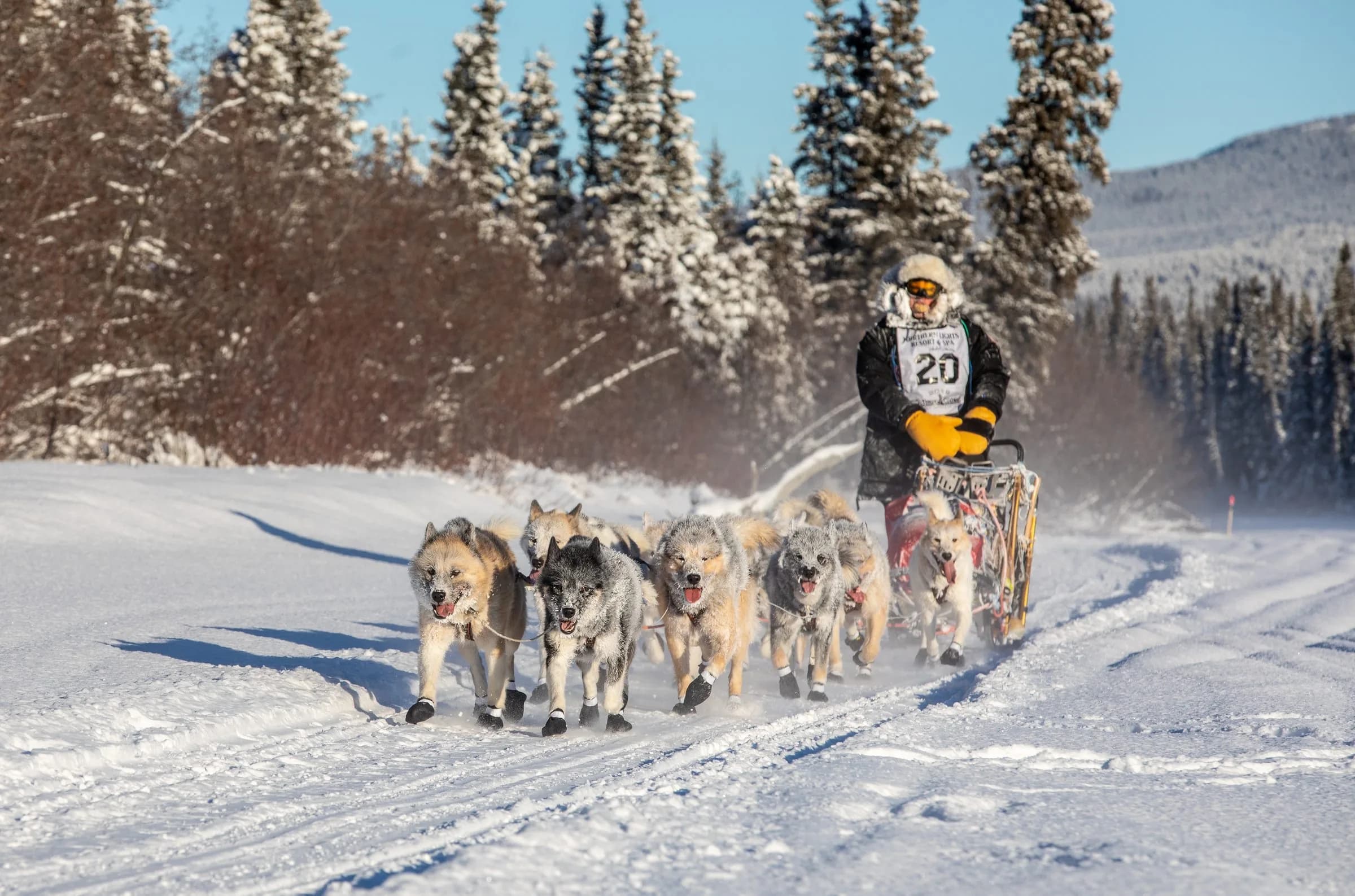
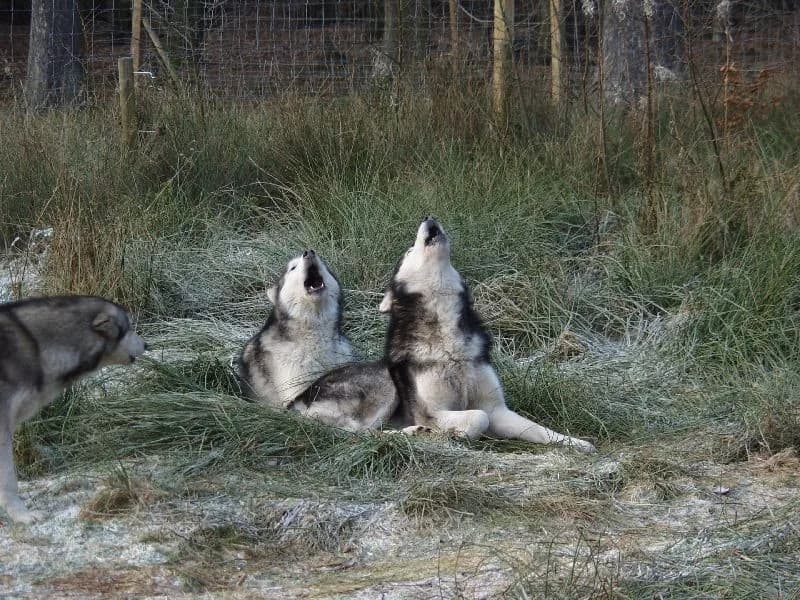
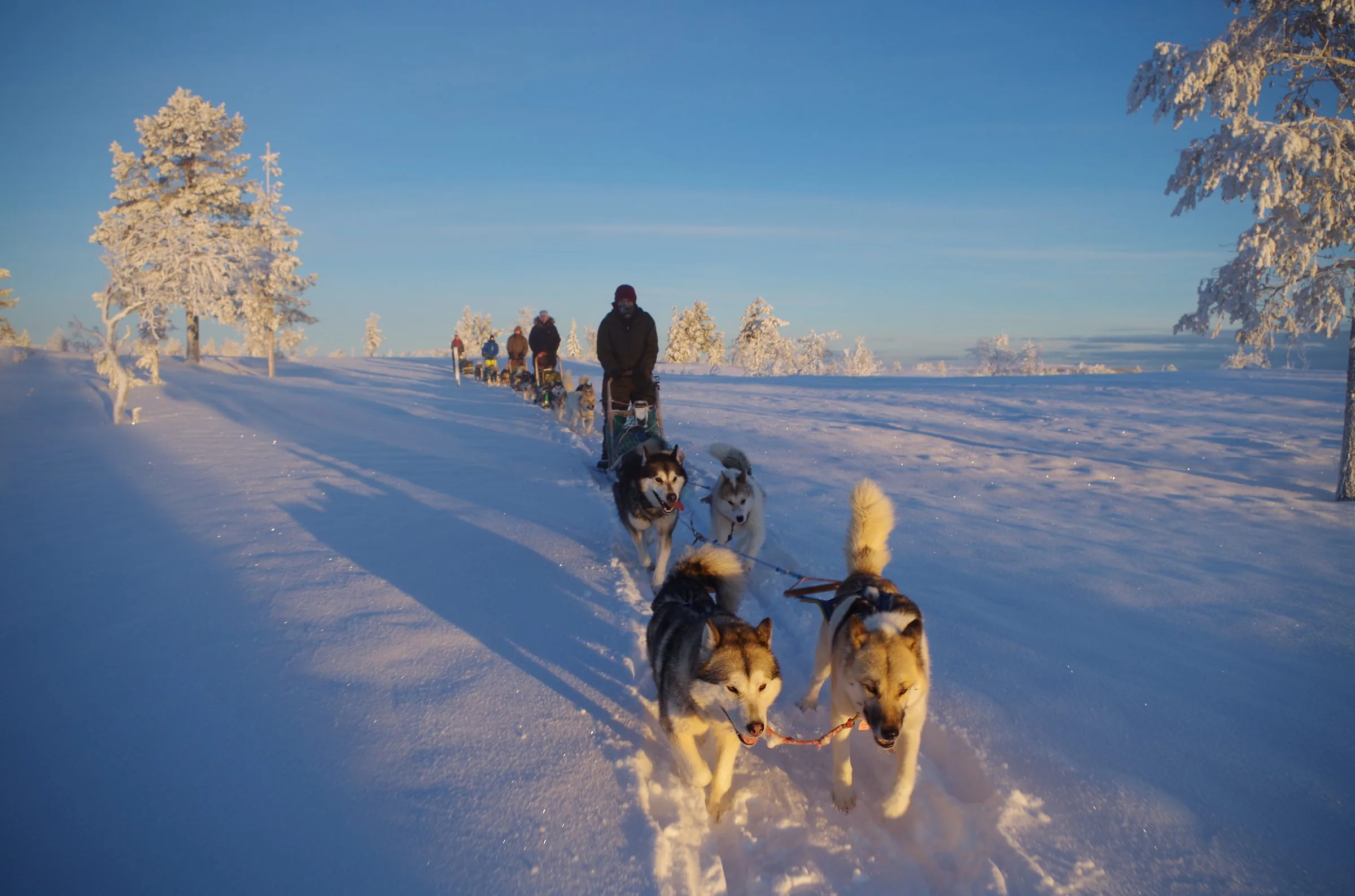
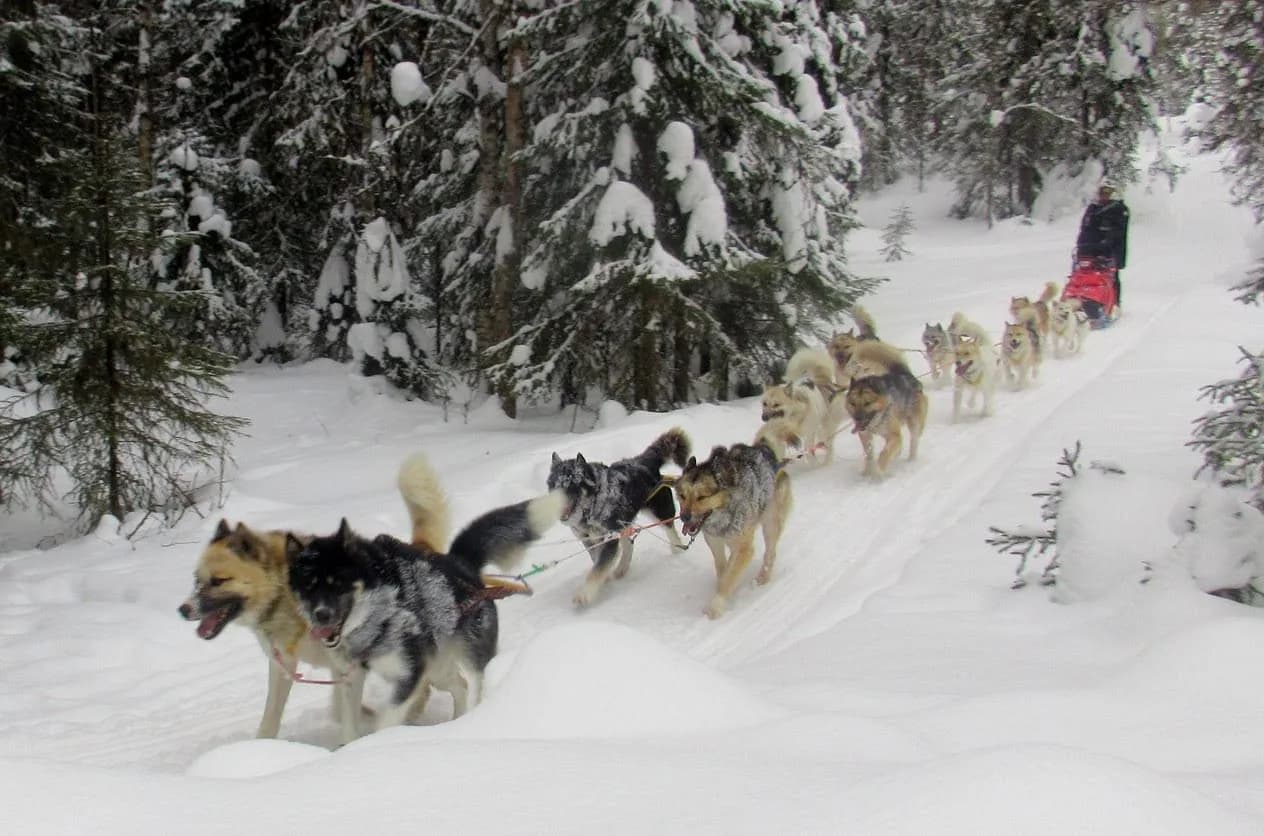
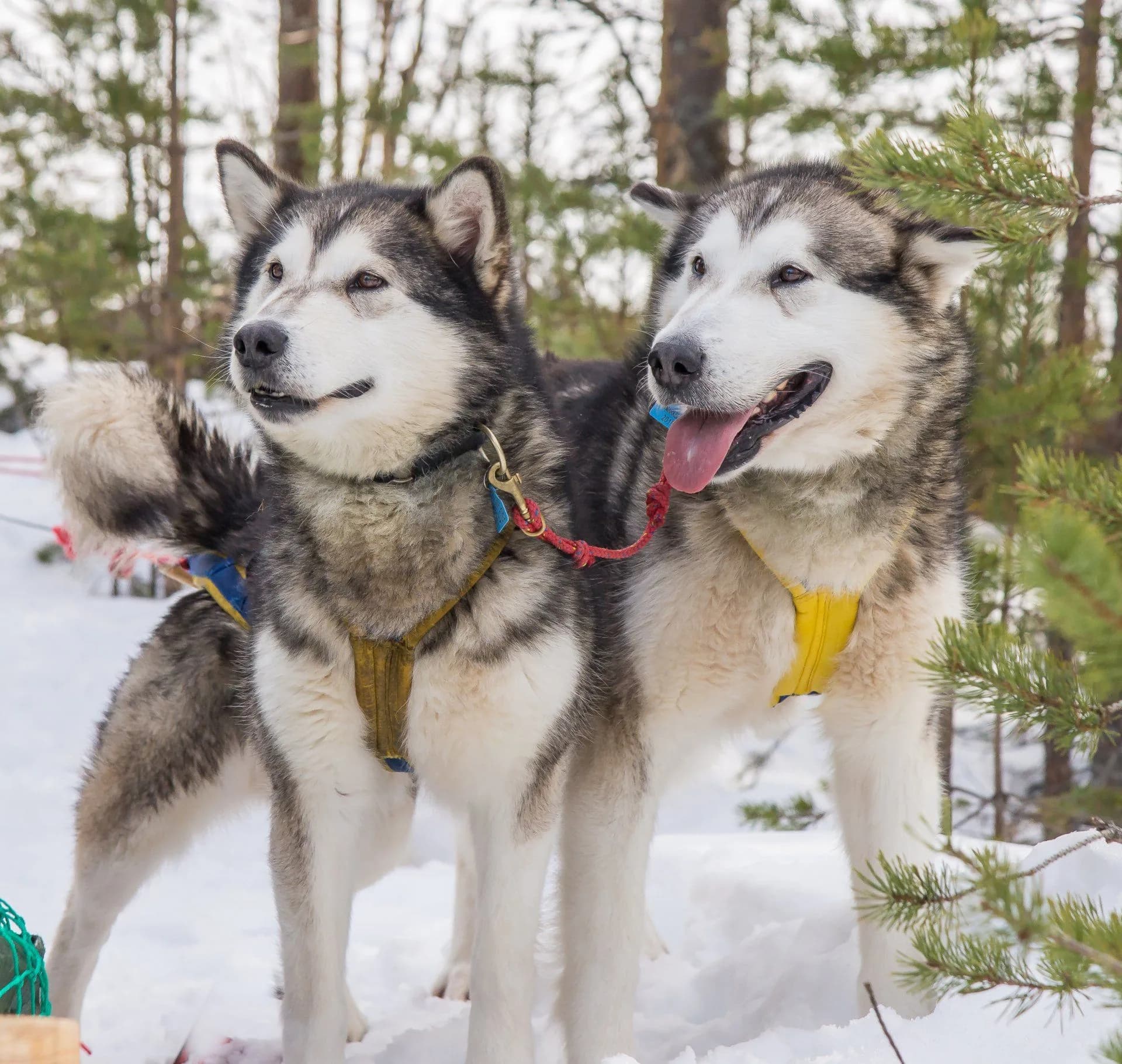
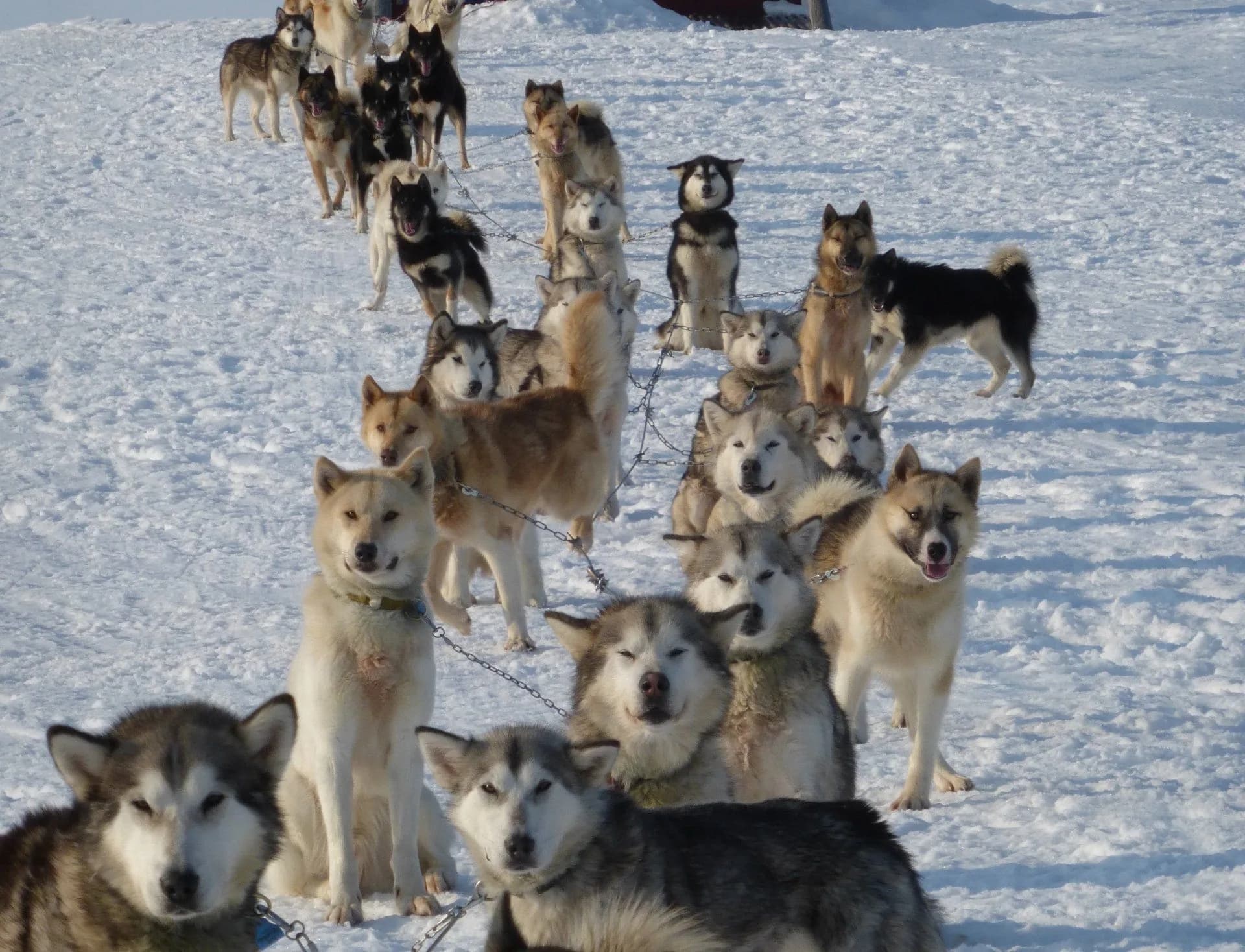
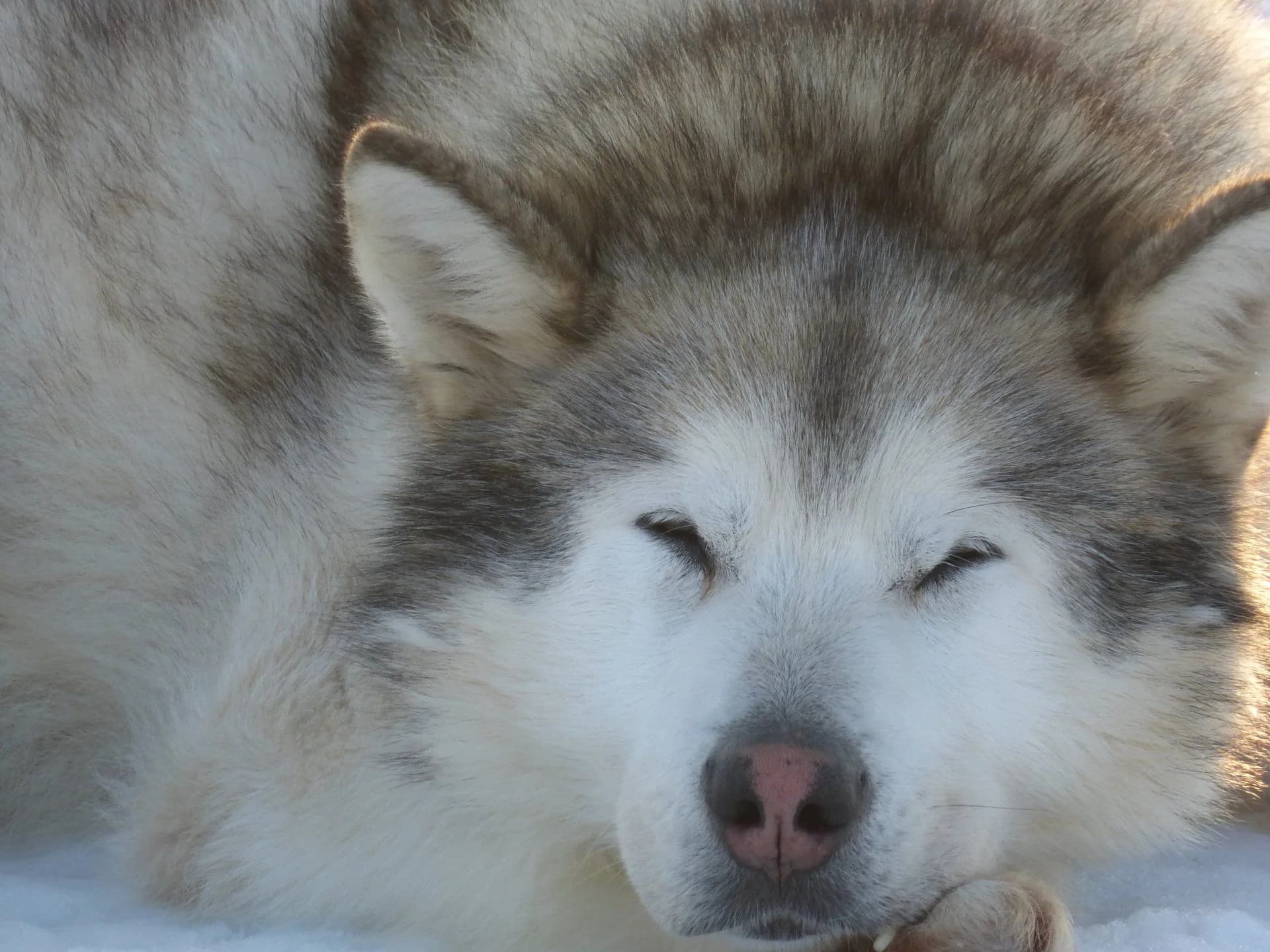
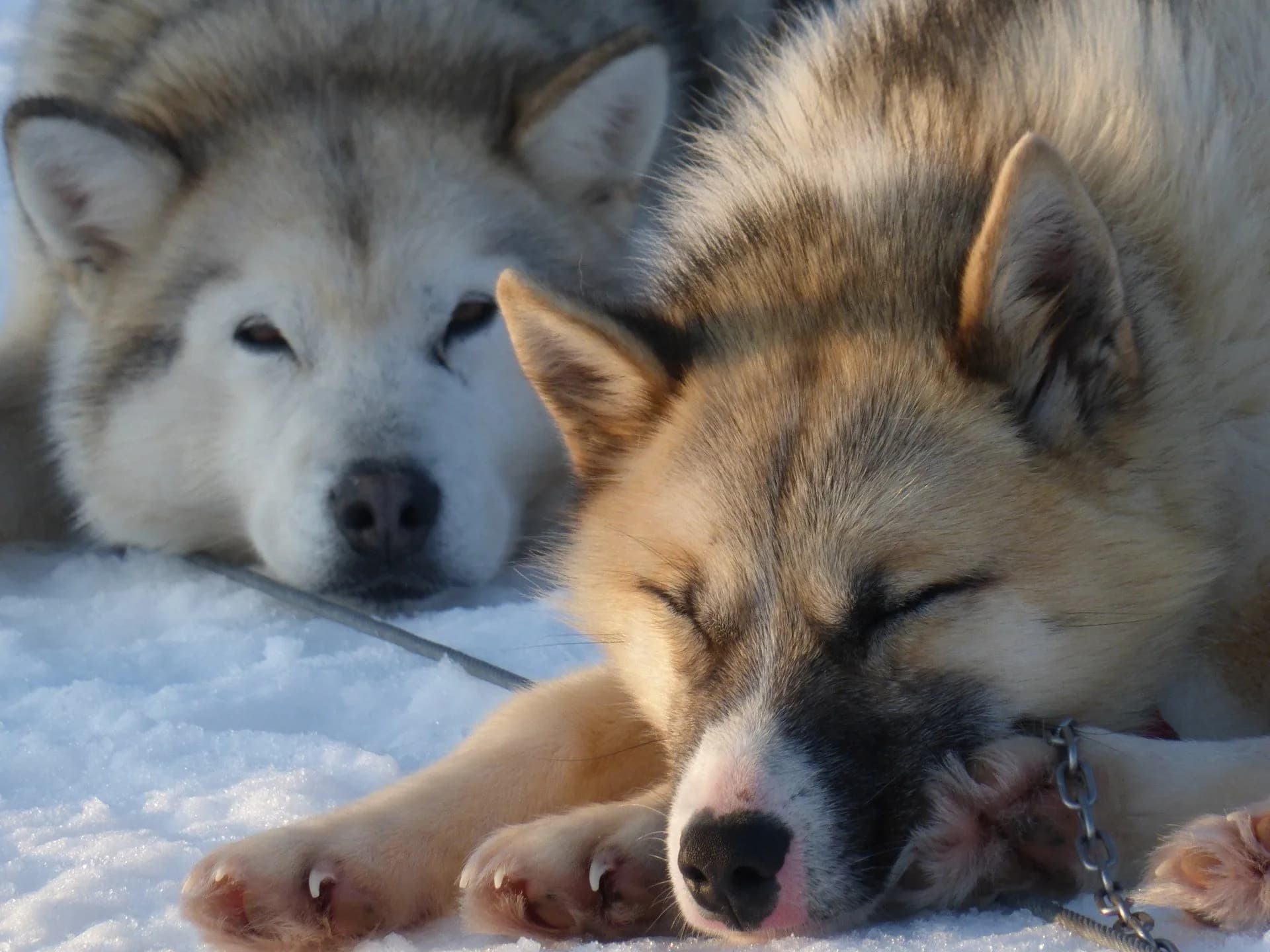
For thousands of years they have lived in packs and were often left to themselves during the summer. They were therefore partly responsible for their own survival and had to feed themselves. Crossings with wolves also occurred again and again. Tough weather conditions and a constant struggle for survival subjected them to strong selection pressure. Their unbridled will to survive and their independent way of thinking are the result of this hard life.
"The domestication of the wolf began about 12,000–14,000 years ago. In their thinking about rank and in their social order, humans and the wolf/dog suit each other very well." (Dr Dorit Feddersen-Petersen. Hundepsychologie: Wesen und Sozialverhalten. 3rd ed., Stuttgart: Franckh, 1989, p. 28.)
For relationships among humans and animals, unambiguous communication is vital.
Communication works through different signals, expressed through certain behaviour, and their interpretation by the receiver.
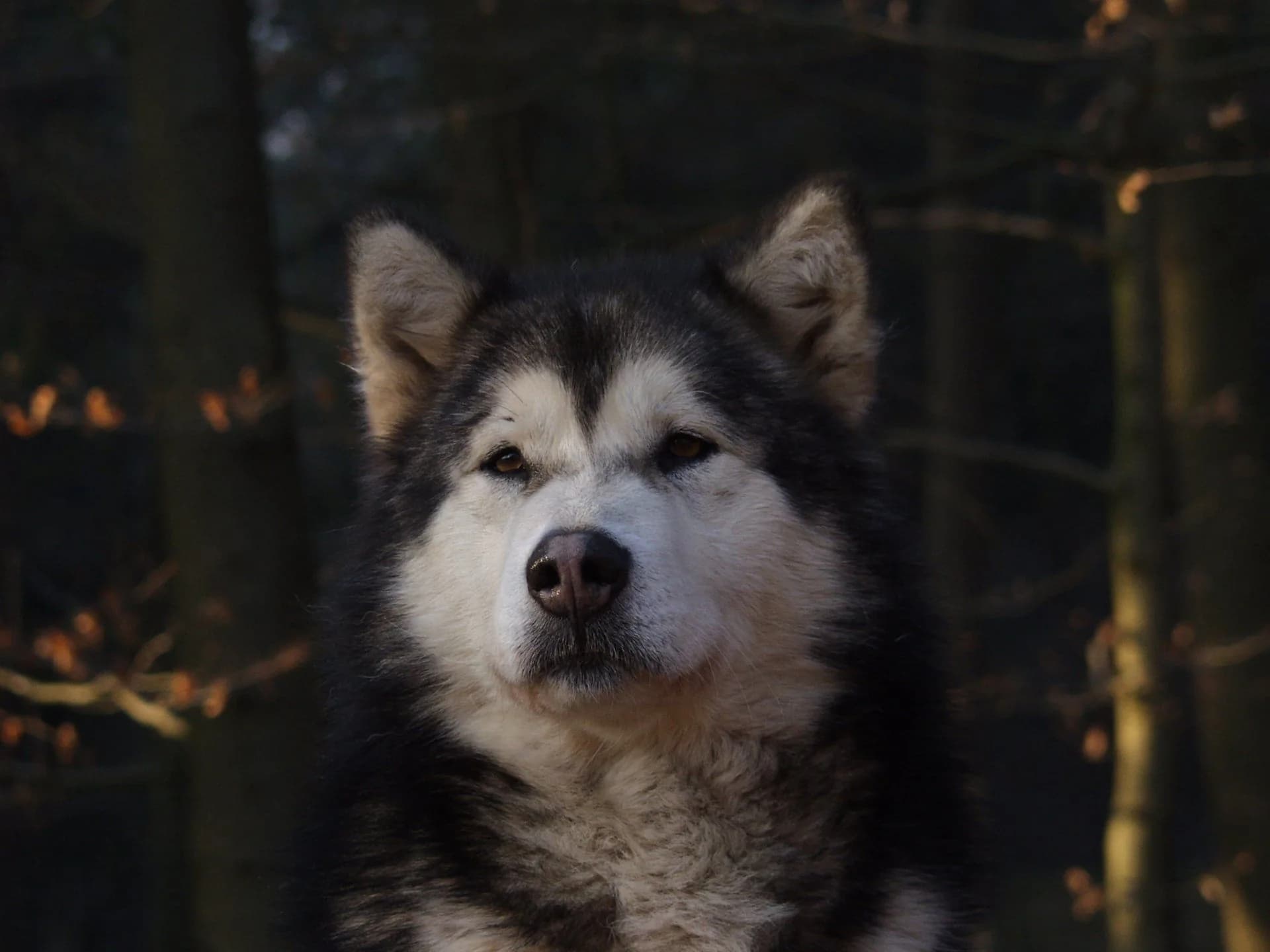
Unambiguous communication presupposes agreement between sender and receiver about the meaning of the signals. The signals consist of body language, vocal utterances, and scents. From this arises acoustic, visual and tactile (through touch) communication. Wolves, like Alaskan Malamutes and Greenland Dogs, live in packs with a web of relationships. Hierarchies develop and shift with the relationships.
The pack leader can be male or female and is not necessarily the largest or strongest animal, but the most intelligent one with the best leadership qualities.
Humans have always been fascinated by wolves. Whereas Europeans regarded the wolf as a competitor over past centuries and nearly exterminated it, the Inuit and Native Americans saw it with different eyes — as both competitor and helper. Native Americans observed the wolves' behaviour and incorporated their hunting strategies into their own techniques.
Their communal life had many parallels: Native Americans and wolves both lived in small groups in which teamwork, loyalty, trust and unambiguous communication were decisive for hunting success and therefore for survival. Alongside teamwork, leadership qualities were essential. Self-assured presence, delegation and clear objectives led to successful hunts.
These qualities have lost none of their relevance in today's complex, constantly changing, fast-moving world. Corresponding parallels can be illustrated with the sled dog packs.
Further info at MalamuteQuest.com